Madelina Script: A Modern Handwritten Font for Creative Projects
Finding a script font that feels both personal and professional can be a challenge. Too often, handwritten typefaces sacrifice legibility for flair, or they look so casual they undermine a design's credibility. Madelina Script strikes a different balance. It's a fresh, fluid calligraphic style with decorative letters that manage to be expressive without losing their clarity. This isn't just another script font—it's a design asset built for real-world use.
Understanding the Visual Character of Madelina
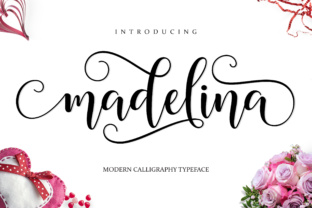
At first glance, Madelina Script presents as a modern take on classic calligraphy. The letterforms have a natural flow, with smooth connections between characters that mimic the rhythm of hand-lettering. What sets it apart from many script fonts is its consistency. Each glyph maintains a cohesive weight and baseline, which prevents the "ransom note" effect that plagues lower-quality handwritten typefaces.
The font carries a warm, approachable personality. It's elegant without being stuffy, and playful without being childish. This makes it versatile across different contexts—you could use it on a high-end wedding invitation and then repurpose it for a boutique bakery's branding without either application feeling forced. The decorative swashes and alternates add visual interest, giving designers room to customize headlines and focal points.
Where Madelina Script Works Best
Practical application matters more than aesthetic appeal. Madelina Script excels in projects where you need a human touch without sacrificing professionalism. Here's where it tends to perform strongest:
- Wedding invitations and event stationery: The calligraphic style naturally suits formal celebrations. It pairs well with serif fonts for body text, creating a classic hierarchy that feels intentional.
- Personal branding and logos: Entrepreneurs and freelancers often need a logo that reflects personality. Madelina works as a primary wordmark or as an accent alongside a cleaner sans serif font, helping small business owners stand out in crowded markets.
- Social media graphics: On platforms like Instagram and Pinterest, visual distinctiveness drives engagement. The font's decorative quality makes quotes, announcements, and promotional posts more eye-catching in a fast-scrolling feed.
- Packaging and product labels: For artisan goods, cosmetics, or specialty foods, Madelina adds a handcrafted feel that signals quality and care. It works particularly well for product names and taglines rather than lengthy ingredient lists.
- Editorial and publishing design: Magazine headers, book chapter titles, and blog graphics benefit from the font's personality. It creates visual breaks in dense layouts and draws readers into feature content.
What's worth noting is Madelina's flexibility across both print and digital. Some script fonts break down at small sizes on screens, but Madelina's clean construction holds up reasonably well on web design projects—though it's still best reserved for headlines and display use rather than body copy.
How Font Choice Shapes Brand Perception
Typography does more than display words. It communicates tone, builds recognition, and influences how audiences perceive a brand or message. Choosing Madelina Script for a project sends specific signals: warmth, authenticity, creativity, and attention to detail.
Consider how a wedding planner might use this font. Applied consistently across business cards, a website header, and social media graphics, Madelina becomes part of the brand identity. Clients begin to associate that visual style with the service's aesthetic. Over time, that consistency builds recognition—a key element in effective branding.
For marketers and content creators, the font offers a way to humanize digital communications. In an environment saturated with generic sans serif layouts, a well-placed script font can make a newsletter, landing page, or ad feel more personal. The key is restraint. Using Madelina for one or two focal elements—like a call-to-action headline or a featured quote—keeps the design clean while adding character.
Practical Guidance for Using Madelina Script
Before committing to any premium font, it's worth evaluating fit. Here are some practical considerations:
Testing Readability Across Contexts
Always test Madelina at the size and medium you plan to use it. A font that looks stunning in a large mockup might become illegible at 14 pixels on a mobile screen. Print a sample at actual size for physical projects. For digital work, preview on multiple devices and screen resolutions.
Pairing with Other Fonts
Script fonts rarely work alone. Madelina pairs well with clean sans serif fonts like Montserrat or Open Sans for body text, creating a balanced visual hierarchy. For a more traditional feel, try combining it with a classic serif font like Playfair Display. The contrast between the fluid script and structured supporting type creates depth without visual chaos.
Exploring Glyphs and Alternates
With over 600 unique glyphs, Madelina offers substantial variation. Take time to explore the alternate characters, swashes, and ligatures included in the font file. These extras allow you to customize headlines, avoid repetitive letter shapes, and add flourishes where they enhance the design. Many users overlook these features, missing opportunities to make their work more distinctive.
Understanding Licensing
For commercial projects—client work, products for sale, or business branding—verify that your font license covers commercial use. Madelina Script is designed as a commercial font, but licensing terms vary by foundry and distributor. Read the specifics before deploying it in client deliverables or merchandise.
Evaluating Project Fit
Not every project suits a script font. If your design requires high-density text, technical documentation, or accessibility-first considerations, a serif or sans serif typeface will serve better. Madelina works best as a display font—used sparingly for impact, not as the workhorse of your layout.
Bringing It All Together
Madelina Script occupies a useful space in the modern typography landscape. It offers the warmth and personality of a handwritten font with the polish needed for professional applications. Its extensive glyph set gives designers creative flexibility, while its balanced construction keeps it functional across print and digital mediums.
The real value of a font like this lies in how thoughtfully it's applied. Used with intention—as part of a broader design strategy rather than a decorative afterthought—Madelina can elevate invitations, strengthen brand identities, and make marketing materials more memorable. For designers, entrepreneurs, and creators looking for a script typeface that works as hard as they do, it's worth serious consideration.