Arabic Script: A Designer’s Guide to Authentic Typography
The Visual Soul of the Font
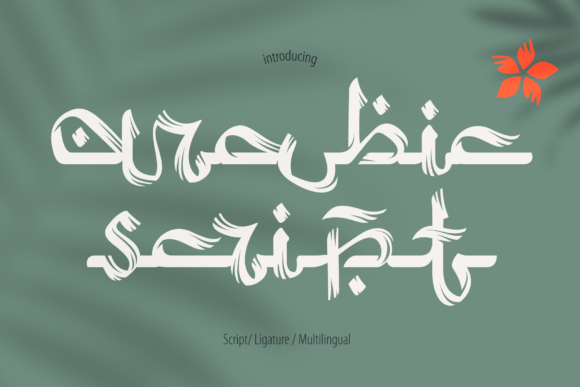
When you first encounter Arabic Script, you immediately notice its deep roots in classical calligraphy. This isn't just a collection of letters; it is a premium font that captures the fluid, sweeping motions of traditional ink and nib. As a display font, it prioritizes artistic expression over the rigid uniformity of a standard sans serif font. The personality of this typeface is one of elegance, spirituality, and time-honored tradition.
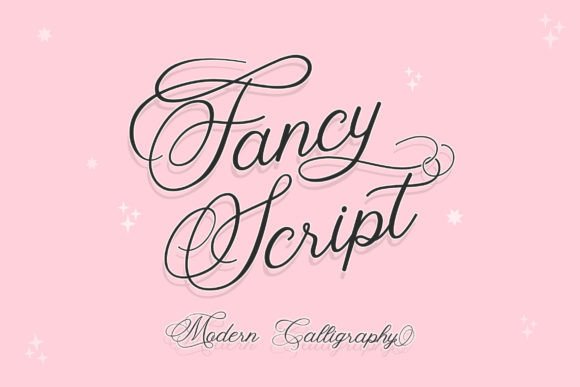
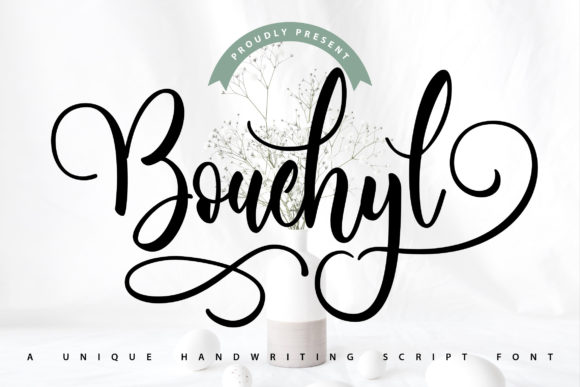
The visual characteristics are defined by high-contrast strokes and intricate ligatures. Unlike a modern typography face that relies on geometric precision, Arabic Script thrives on organic flow. The letters often connect in ways that mimic hand-lettering, giving it the warmth of a handwritten font while maintaining the structural integrity required for professional use. It brings a sense of authenticity to the table that digital fonts often lack. If you are looking for a creative font that feels human and approachable, this is a strong contender.
Strategic Applications: Where This Font Shines
Understanding where to deploy a script font is just as important as choosing it. Because Arabic Script draws from specific cultural and religious heritage, it excels in contexts where that heritage is celebrated or utilized for branding.
Ramadan and Islamic Branding
The most obvious application is during the holy month of Ramadan. If you are a designer creating social media graphics or a small business owner preparing promotional materials, Arabic Script is ideal for Ramadan advertising. It instantly communicates the mood of the season. It works beautifully for:
- Islamic quote posters: The flowing lines complement spiritual text perfectly.
- Greeting cards: Whether for Eid or general correspondence, it adds a personal, respectful touch.
- Event invitations: It sets a formal yet warm tone for community gatherings.
However, its utility goes beyond religious observance. For entrepreneurs and brand strategists, this typeface offers a way to build a distinct brand identity. Eastern-style brand logos often struggle to find fonts that balance tradition with modern appeal. Arabic Script bridges that gap. It feels established and trustworthy, which is a massive asset for food brands, fashion labels, or boutique hotels looking to evoke a sense of heritage.
Digital and Print Ecosystems
In the realm of web design and digital content, this font is best used for headers, hero images, or pull quotes. It is a creative font that demands attention, making it perfect for high-impact areas. Bloggers and content creators can use it to stylize featured images or create unique thumbnails that stand out in a crowded feed.
For print, consider packaging design. Imagine a luxury tea box or a gourmet spice jar using Arabic Script for the product name. It suggests quality and origin. Similarly, in editorial design, it can be used for chapter openers or magazine covers to introduce a feature story about culture, travel, or lifestyle.
Readability and Visual Hierarchy
One of the most common mistakes with script fonts is misuse regarding readability. As a general rule in modern typography, display fonts like Arabic Script are not meant for body text. If you set a paragraph in this font at 12pt, your audience will likely struggle to read it, regardless of how beautiful it looks.
Instead, use it to establish visual hierarchy. Pair it with a clean, legible serif font or sans serif font for the body copy. For example, use Arabic Script for the main headline to grab attention, then switch to a neutral sans-serif for the details. This contrast creates a professional layout that guides the reader’s eye naturally.
The font influences brand perception by signaling that a brand values aesthetics and tradition. It can make a brand feel more "premium" or "boutique." However, consistency is key. If you use this display font on your website, ensure it aligns with the typography used in your email marketing and social media graphics. Inconsistent use can dilute your brand identity.
Practical Guide: Integrating Arabic Script into Your Workflow
Choosing a font is an investment. Before you commit to using Arabic Script for a major project, here is a practical checklist for designers, marketers, and hobbyists.
1. Evaluate the Project Fit
Does the project require a specific cultural resonance? If you are designing for a tech startup or a medical journal, this script font might feel out of place. However, for a wedding invitation, a bakery logo, or a lifestyle blog, it fits naturally. Always match the font’s personality with the client’s voice.
2. Testing Font Pairings
Don't let the header stand alone in a vacuum. Test font pairing early in the design process. Because Arabic Script has high ornamentation, it pairs best with simpler typefaces. A geometric sans-serif often works well to ground the flourishes of the script. Avoid pairing it with other decorative fonts, as this creates visual noise.
3. Review Included Styles
Check if the font package includes different weights or stylistic alternates. A robust premium font often comes with swashes or ligatures that allow you to customize the look. Knowing these options helps you create unique logos or monograms that don't look like a generic template.
4. Licensing for Commercial Use
This is critical for entrepreneurs and small business owners. Ensure you are downloading the commercial font version with the correct license. If you are using it for a client’s logo or a product for sale, the license must cover commercial usage. Free versions often have restrictions that can cause legal headaches later. Treat your fonts as design assets that require proper management.
Conclusion
Arabic Script is more than just a typeface; it is a bridge between classical art and modern design needs. Whether you are crafting a logo, designing a poster, or building a brand identity, it offers a distinct flavor of elegance. By respecting its roots and applying it with strategic intent, you can elevate your projects and connect with your audience on a deeper level.